
Where Does the Time Go in BOD Testing?

Understanding the hands-on work behind each batch—and where automation can help.
Today’s samples are ready for preparation while an earlier batch needs final dissolved oxygen readings. Across the laboratory, other tests are waiting for the same analyst’s attention.
For laboratories performing biochemical oxygen demand (BOD) testing, this is a familiar scenario. The individual steps are straightforward enough, but preparing bottles, dispensing liquids, measuring dissolved oxygen, and coordinating overlapping batches create a demand for constant attention.
Where does the time go? And which parts of this routine could happen while the analyst works on something else?
A Five-Day Test with Daily Demands
The conventional five-day BOD test measures the oxygen consumed by microorganisms during controlled incubation. Analysts measure dissolved oxygen (DO) before and after incubation, then calculate BOD using the oxygen depletion and applicable dilution and seed corrections.
Around those measurements sits a sequence of preparation and handling tasks. Samples may need pH adjustment, several dilutions, and seed/inhibitor addition. Bottles must be filled, initial readings completed, and bottles stoppered and placed in the incubator. After incubation, they return for final readings and results review.
The number of samples received only tells part of the workload story. Multiple dilutions, replicates, and quality controls can turn a small sample batch into a considerably larger set of bottles.
Where the Hands-On Time Adds Up
1. Preparing Each Bottle
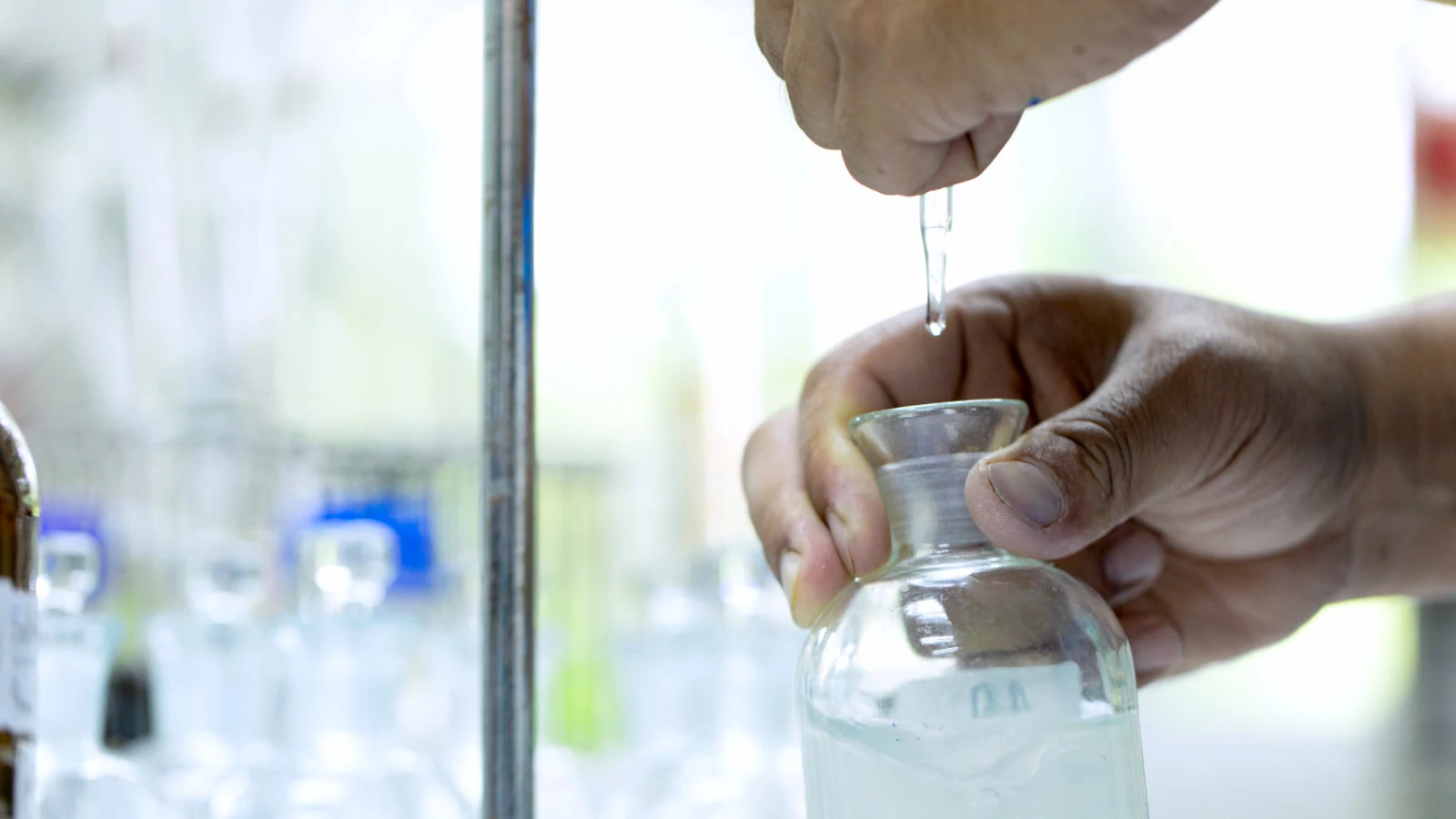
Bottle preparation involves repeatedly transferring sample, adding the required liquids, and filling bottles to the appropriate volume. Requirements may vary between samples, making organization and attention essential.
A few additions may take little time individually. Repeated across the batch, however, they can keep an analyst occupied at the bench for a meaningful part of the day.
2. Measuring Dissolved Oxygen
Each bottle requires probe positioning, measurement, and rinsing between bottles. When manual testing, the analyst stays involved tied to the bench to continue moving the probe to new samples, even when the individual actions require little decision-making.
The process occurs at both the initial and final measurement stages, adding another round of handling to each batch.
3. Coordinating Overlapping Batches
BOD work also follows a schedule. While new samples need preparation, bottles from an earlier batch are due for final readings. Both activities compete with other laboratory responsibilities.
The impact extends beyond the minutes spent on each bottle. Repeatedly returning to the BOD bench can make it harder to establish uninterrupted time for other testing, troubleshooting, or data review.
Beyond the Bottle Count
Automation can be worth considering even when daily bottle counts are modest.
For a laboratory preparing around 20 bottles per day, the relevant question is how that work fits into the analyst’s wider responsibilities. If the same person also performs nutrient testing, solids analysis, or other methods, a recurring BOD workload can limit flexibility. Final readings from an earlier batch add to that day’s preparation requirements.
A useful starting point is to examine three questions:
- How much active analyst time does our BOD workflow require?
- Which repeated tasks keep someone at the bench?
- What other work could progress during an automated sequence?
The answers help identify where automation may offer value. Bottle count matters, alongside staffing, preparation requirements, competing demands, and perhaps most importantly, opportunity for growth in a lab's in-house test menu.
Explore SEAL's robotic laboratory automation for BOD, pH, conductivity (EC), and beyond.
Matching Automation to Your Workflow
Different laboratories need different levels of automation. Some primarily want to automate filling and DO measurement. Others want to include sample dosing, programmed dilutions, and pH adjustment.
SEAL Analytical’s standardized MiniLab BOD systems address these different requirements.
Single-Bottle Filling and Measurement
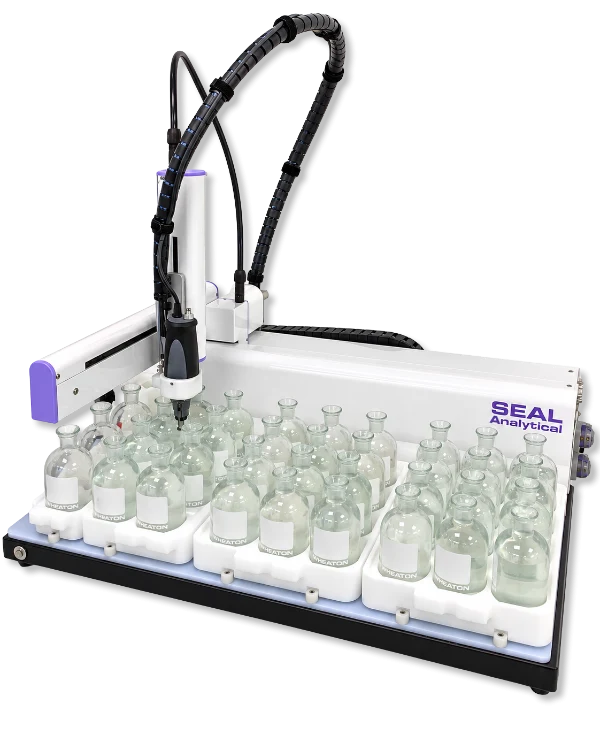
The MiniLab AR series uses one dispenser and one DO probe to fill and read one bottle at a time.
This configuration automates repetitive filling and measurement, providing an option for laboratories evaluating how to free analyst time within a modest daily workload, without requiring intensive resources such as large amounts of bench space or big instrumentation budgets.
Simultaneous Dual Reading and Dual Dispensing
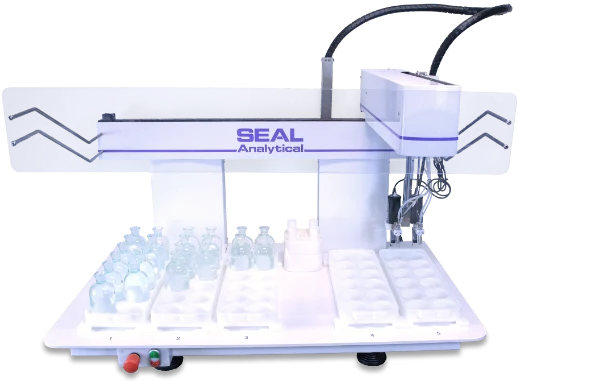
SEAL's standard MiniLab ML for BOD Analysis combines two DO probes with two dispensers. It reads two filled bottles while simultaneously filling the next two bottles.
Overlapping these activities allows preparation to continue during measurement, supporting laboratories that need greater processing capacity, more efficient bottle preparation, and dissolved oxygen measurement.
Automated Sample Dosing and Dilutions
The MiniLab ML for BOD Sample Dosing & Analysis extends automation to sample transfer.
A dedicated arm transfers sample from a manually pH-adjusted collection bottle into several BOD bottles at programmed dilutions. The system then performs simultaneous dual reading and dual dispensing, reading two filled bottles while filling the next pair.
This configuration reduces repeated manual sample transfers while accommodating different dilution requirements.
Integrated pH Adjustment, Sample Dosing, and Analysis
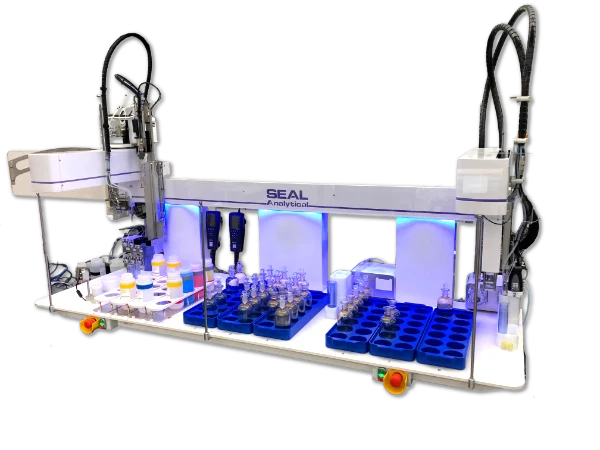
The MiniLab ML for BOD Prep, Sample Dosing, & Analysis also automates pH adjustment in the collection bottle.
The system adjusts pH, transfers sample into multiple BOD bottles at programmed dilutions, and performs simultaneous dual reading and dual dispensing. Bringing these stages together reduces the manual intervention required across preparation and analysis.
Alongside these standardized options, SEAL offers bespoke configurations with additional preparation and reading arms, more DO probes per arm, and other solutions tailored to laboratory workflows.
Reliable Operation Makes Walkaway Automation Valuable
The practical value of automation depends on dependable operation throughout the programmed sequence.
SEAL MiniLab systems are engineered for true walkaway, unattended automation. Robust frames and encoded motors support precise, repeatable movement through recurring preparation and measurement tasks.
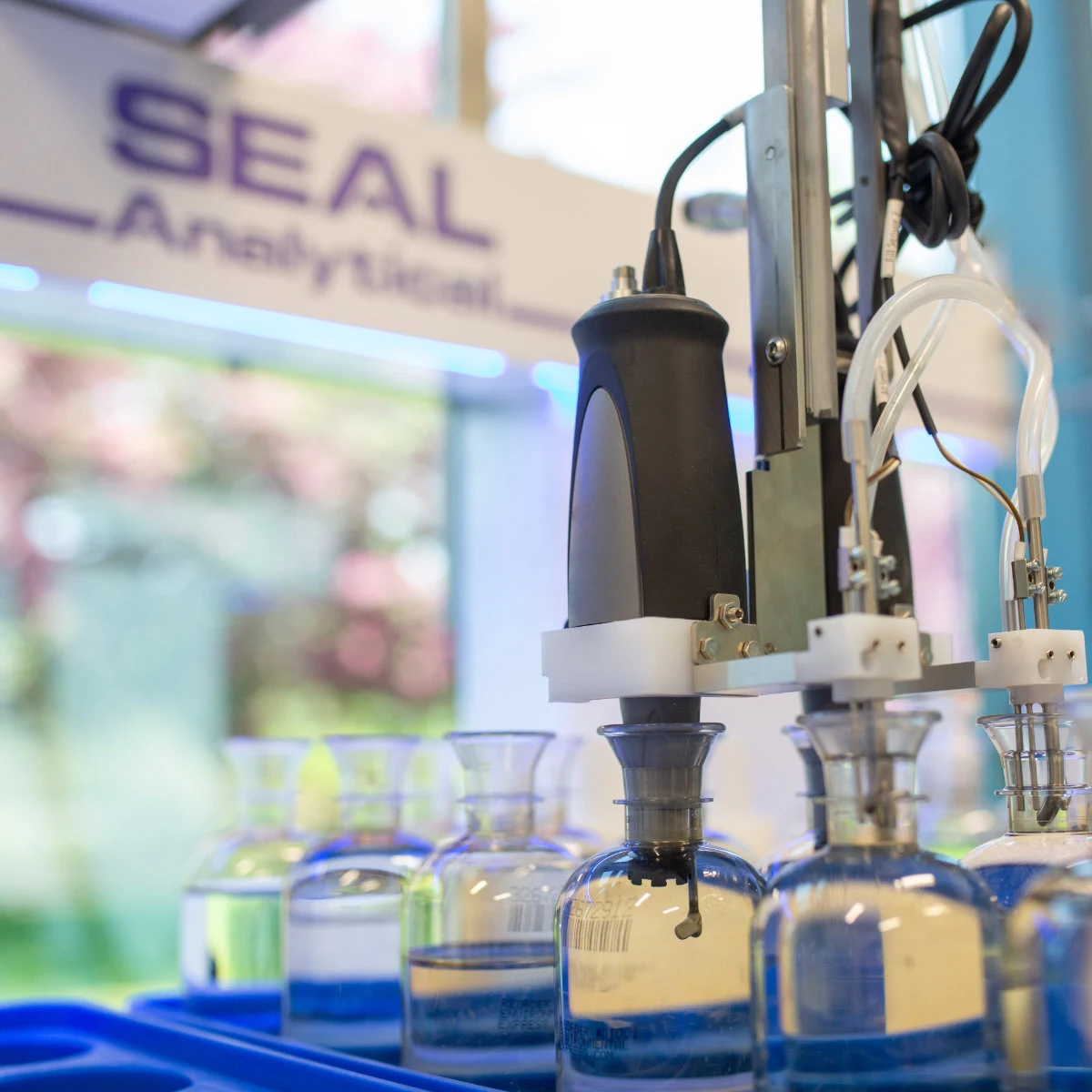
That reliability gives laboratories confidence to schedule automated work while analysts attend to other responsibilities. For a smaller team, this can create more flexibility during the working day. For a busier laboratory, unattended operation can help extend the available processing window.
The aim is a system that fits both the workload and the way the laboratory operates.
Making Room for the Analyst’s Expertise
Analysts remain responsible for sample requirements, appropriate dilutions, quality control, results review, and investigating unexpected behavior. Their expertise also guides method oversight and system maintenance.
Automating repeated handling and measurement creates more room for those responsibilities. The benefit is the opportunity to spend less time advancing a routine sequence and more time on work that needs an analyst's or chemist’s judgment.
Take a Closer Look at Your BOD Workflow
Whether your laboratory prepares 20 bottles a day or manages much larger batches, understanding where hands-on time goes is a useful first step toward improving the workflow.
Join SEAL Analytical andEnvironmental Express for our upcoming BOD webinar (or request a webinar recording) to explore practical considerations for BOD testing and bring your questions to the discussion.
Register for the Better BOD Testing Webinar
Interested in automating your daily testing? Explore SEAL laboratory automation.


